Title: Booker T. Washington: Educator, Leader, and Advocate for African American Empowerment
Introduction: Booker T. Washington, a prominent figure in the post-Civil War era, dedicated his life to the advancement of African Americans through education and economic empowerment. As a renowned educator, author, and influential leader, Washington played a significant role in shaping the trajectory of African American progress in the United States. In this blog, we will delve into the life, accomplishments, and enduring legacy of Booker T. Washington, examining his contributions to the fight for equality and his influential ideas on racial upliftment.
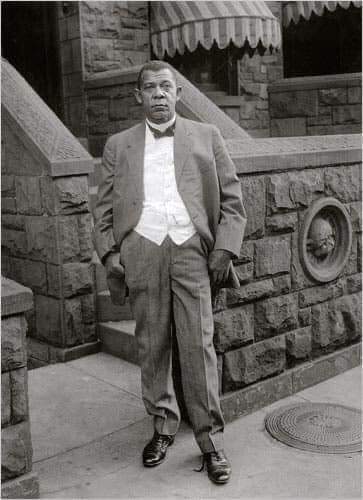

- Early Life and Educational Journey: Booker Taliaferro Washington was born into slavery on April 5, 1856, in Hale’s Ford, Virginia. Despite the immense challenges he faced as an enslaved individual, Washington demonstrated a deep thirst for knowledge. After the abolition of slavery, he pursued an education at the Hampton Normal and Agricultural Institute (now Hampton University) and later became a teacher at the institute.
- The Founding of Tuskegee Institute: In 1881, Washington was chosen to establish and lead the Tuskegee Institute (now Tuskegee University) in Alabama. Under his leadership, the institute grew into a renowned center of vocational education for African Americans. Washington believed that practical skills, such as farming, carpentry, and industrial trades, were essential for African Americans to gain economic independence and respect in society.
- The Atlanta Compromise: In 1895, Booker T. Washington delivered a speech at the Atlanta Exposition, which came to be known as the Atlanta Compromise. In his address, he advocated for a conciliatory approach, urging African Americans to focus on self-improvement, economic advancement, and vocational education rather than directly challenging discriminatory laws and practices. This approach aimed to foster economic cooperation between African Americans and white Americans, with the belief that it would eventually lead to racial harmony and equality.
- Influence and Controversy: Booker T. Washington’s ideas and leadership style drew both admiration and criticism. While he gained support from philanthropists and white politicians, his accommodationist approach drew the ire of more radical activists who demanded immediate civil and political rights for African Americans. Critics, such as W.E.B. Du Bois, accused Washington of perpetuating segregation and perpetuating a subordinate position for African Americans.
- Authorship and Influence: Washington’s influence extended beyond his leadership at Tuskegee Institute. He authored several influential books, including his autobiography, “Up from Slavery,” which became a bestseller and provided a personal account of his life and ideas. Through his writings, speeches, and extensive travels, Washington reached a wide audience and inspired countless individuals to pursue education, self-reliance, and economic independence.
- Legacy and Lasting Impact: Booker T. Washington’s legacy is complex and multifaceted. While some criticized his emphasis on economic progress at the expense of civil rights, Washington’s commitment to education and vocational training cannot be denied. His efforts paved the way for future generations of African Americans to access education and economic opportunities. The Tuskegee Institute stands as a testament to his enduring impact and continues to serve as a hub for African American education and community development.
Conclusion: Booker T. Washington’s life and work embody the indomitable spirit of resilience and determination in the face of adversity. His emphasis on education, self-improvement, and economic empowerment provided a path forward for African Americans in a deeply segregated and discriminatory society. Although his ideas and approach have been debated, Washington’s dedication to uplifting African Americans and his enduring legacy as an educator and advocate for racial progress continue to resonate today.


Leave a comment