I’m Cece — the heart behind Where It Begins magazine and the Cece in the City blog — and I’ve got something special just for you this June!
If you’re an author, filmmaker, business owner, or creator looking to get the word out about your work, this is your moment to glow up your brand in front of a fresh, curious, and loyal audience!
💥 Here’s What You Get for Just $100:
✍️ A Full Feature on the Cece in the City Blog – where storytelling meets style and inspiration.
📰 Your Logo Placed in Where It Begins Magazine – reaching both digital and print readers who love discovering new gems!
🌍 Visibility – We don’t just post; we celebrate you across our platforms, shining a light on your journey.
This month, we’re proudly featuring:
📚 Authors – We’ll blog your book, spotlight your journey, and let readers know why your words matter.
🎬 Filmmakers – Got a short film, doc, or feature to promote? Let’s share it with the world!
🛍️ Business Owners – Whether you’ve launched a boutique, a cafe, or a service-based brand, we’re here to tell your story.
📦 Product Creators – From beauty lines to handmade goods, let’s showcase what you’ve created with passion.
✨ Why This Matters
In a world filled with noise, authentic stories still stand out. That’s what my platforms are all about — celebrating the journey, the hustle, and the magic behind the people who are building something beautiful.
So let’s get you featured. Let’s put your name and logo out there. Let’s tell your story.
I’m thrilled to share my recent visit to the Eastside Boxing Club in Snellville, GA! This gem of a place, helmed by the incredible Rod Bridges, is much more than just a boxing gym—it’s a hub of positivity, empowerment, and community spirit.
Rod Bridges is a true community hero, dedicating his time to teaching the youth not only how to defend themselves but also how to get in shape, boost their self-confidence, and develop discipline. He runs tournaments and offers mentorship programs, fostering a supportive environment where kids can thrive.
If you’re looking for a place where both you and your child can learn, grow, and be part of a vibrant community, Eastside Boxing Club is the place to be. You can sign up and check out their programs on their website at www.esboxingclub.com. And don’t forget to mention that Cece in the City sent you!
Spread the word and let’s continue to uplift our communities together! 🌟 #CeceInTheCity #EastsideBoxingClub #CommunityHeroes #PositiveVibes
Title: Steve Jobs: Innovator, Visionary, and Iconic Tech Pioneer
Introduction: Steve Jobs, co-founder of Apple Inc., was not just a technology mogul but also a visionary who revolutionized the way we interact with technology. His relentless pursuit of excellence, uncompromising attention to detail, and ability to anticipate and shape consumer needs transformed Apple into one of the most influential companies in the world. In this blog, we will delve into the life, achievements, and lasting impact of Steve Jobs, celebrating his contributions to the world of technology and his enduring legacy as an iconic figure.
Early Life and Entrepreneurial Spirit: Born on February 24, 1955, in San Francisco, California, Steve Jobs showed early signs of his entrepreneurial spirit. Alongside his friend Steve Wozniak, he founded Apple Computer Inc. in 1976, setting the stage for a remarkable journey that would reshape the technology landscape.
Apple Inc.: The Power of Innovation: Under Steve Jobs’ leadership, Apple Inc. became synonymous with innovation. Jobs played a pivotal role in the development of groundbreaking products that transformed entire industries. The introduction of the Apple Macintosh, iPod, iPhone, and iPad revolutionized personal computing, music consumption, and mobile communication, respectively, forever changing the way we live, work, and connect with others.
Design Excellence and User Experience: Steve Jobs was renowned for his emphasis on design excellence and creating products that were not just functional but also aesthetically pleasing. His passion for simplicity and elegance permeated every aspect of Apple’s products, elevating the user experience to new heights. Jobs’ obsession with detail and his unwavering commitment to perfection propelled Apple to become a symbol of technological sophistication.
Pixar Animation Studios and Creativity: In addition to his work at Apple, Steve Jobs co-founded Pixar Animation Studios, a company that revolutionized the world of animation. Through films such as Toy Story, Finding Nemo, and The Incredibles, Jobs and his team showcased the power of storytelling and creativity, leaving an indelible mark on the entertainment industry.
Legacy and Lasting Influence: Steve Jobs’ legacy extends far beyond his technological innovations. His visionary leadership, relentless pursuit of excellence, and unwavering commitment to his ideals continue to inspire entrepreneurs, innovators, and dreamers around the world. Jobs’ ability to anticipate and shape consumer desires and his dedication to creating products that seamlessly integrate technology into our lives have set a benchmark for the entire industry.
Lessons in Resilience and Perseverance: Despite facing numerous setbacks throughout his career, including being ousted from Apple in 1985, Steve Jobs demonstrated resilience and an unwavering belief in his vision. His triumphant return to Apple in 1997 marked the beginning of a new era for the company, solidifying his status as an iconic leader.
Conclusion: Steve Jobs’ unparalleled contributions to the world of technology, design, and entrepreneurship have left an indelible mark on the world. His relentless pursuit of excellence, unwavering commitment to innovation, and ability to shape the future through technological advancements have shaped the way we live and interact with the world. Steve Jobs’ enduring legacy serves as a reminder of the transformative power of vision, creativity, and unwavering determination in the pursuit of excellence.
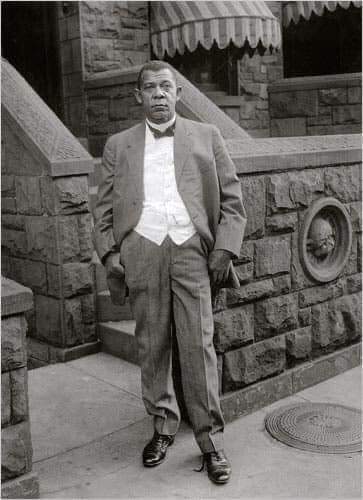
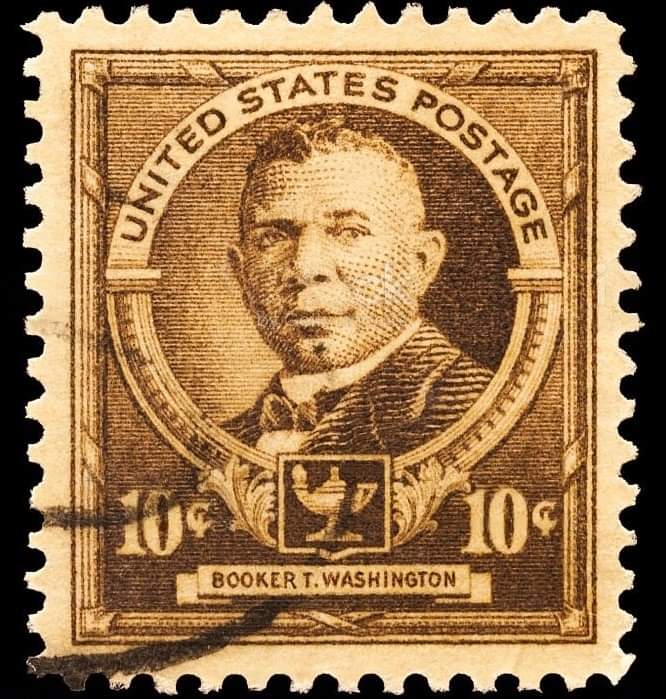
Title: Booker T. Washington: Educator, Leader, and Advocate for African American Empowerment
Introduction: Booker T. Washington, a prominent figure in the post-Civil War era, dedicated his life to the advancement of African Americans through education and economic empowerment. As a renowned educator, author, and influential leader, Washington played a significant role in shaping the trajectory of African American progress in the United States. In this blog, we will delve into the life, accomplishments, and enduring legacy of Booker T. Washington, examining his contributions to the fight for equality and his influential ideas on racial upliftment.
Early Life and Educational Journey: Booker Taliaferro Washington was born into slavery on April 5, 1856, in Hale’s Ford, Virginia. Despite the immense challenges he faced as an enslaved individual, Washington demonstrated a deep thirst for knowledge. After the abolition of slavery, he pursued an education at the Hampton Normal and Agricultural Institute (now Hampton University) and later became a teacher at the institute.
The Founding of Tuskegee Institute: In 1881, Washington was chosen to establish and lead the Tuskegee Institute (now Tuskegee University) in Alabama. Under his leadership, the institute grew into a renowned center of vocational education for African Americans. Washington believed that practical skills, such as farming, carpentry, and industrial trades, were essential for African Americans to gain economic independence and respect in society.
The Atlanta Compromise: In 1895, Booker T. Washington delivered a speech at the Atlanta Exposition, which came to be known as the Atlanta Compromise. In his address, he advocated for a conciliatory approach, urging African Americans to focus on self-improvement, economic advancement, and vocational education rather than directly challenging discriminatory laws and practices. This approach aimed to foster economic cooperation between African Americans and white Americans, with the belief that it would eventually lead to racial harmony and equality.
Influence and Controversy: Booker T. Washington’s ideas and leadership style drew both admiration and criticism. While he gained support from philanthropists and white politicians, his accommodationist approach drew the ire of more radical activists who demanded immediate civil and political rights for African Americans. Critics, such as W.E.B. Du Bois, accused Washington of perpetuating segregation and perpetuating a subordinate position for African Americans.
Authorship and Influence: Washington’s influence extended beyond his leadership at Tuskegee Institute. He authored several influential books, including his autobiography, “Up from Slavery,” which became a bestseller and provided a personal account of his life and ideas. Through his writings, speeches, and extensive travels, Washington reached a wide audience and inspired countless individuals to pursue education, self-reliance, and economic independence.
Legacy and Lasting Impact: Booker T. Washington’s legacy is complex and multifaceted. While some criticized his emphasis on economic progress at the expense of civil rights, Washington’s commitment to education and vocational training cannot be denied. His efforts paved the way for future generations of African Americans to access education and economic opportunities. The Tuskegee Institute stands as a testament to his enduring impact and continues to serve as a hub for African American education and community development.
Conclusion: Booker T. Washington’s life and work embody the indomitable spirit of resilience and determination in the face of adversity. His emphasis on education, self-improvement, and economic empowerment provided a path forward for African Americans in a deeply segregated and discriminatory society. Although his ideas and approach have been debated, Washington’s dedication to uplifting African Americans and his enduring legacy as an educator and advocate for racial progress continue to resonate today.
Title: The Extraordinary Mind of Albert Einstein: Unraveling the Genius
Introduction: Albert Einstein, a name synonymous with genius, revolutionized the world of physics and left an indelible mark on human history. His profound insights, groundbreaking theories, and relentless pursuit of knowledge continue to shape our understanding of the universe. In this blog, we will delve into the life, accomplishments, and enduring legacy of one of the greatest scientific minds of all time—Albert Einstein.
Early Life and Education: Albert Einstein was born on March 14, 1879, in Ulm, Germany. As a child, he exhibited an insatiable curiosity and a deep fascination with the mysteries of nature. Einstein’s unconventional thinking and rebellious nature often clashed with the rigid educational system of his time. However, his love for mathematics and physics propelled him forward, leading him to enroll in the Swiss Federal Polytechnic in Zurich.
The Miracle Year: In 1905, known as Einstein’s “Annus Mirabilis” or Miracle Year, he published four groundbreaking papers that would revolutionize physics. These papers introduced the special theory of relativity, which transformed our understanding of time, space, and the relationship between energy and mass (E=mc²). Einstein’s work laid the foundation for modern physics and challenged Newtonian mechanics.
The General Theory of Relativity: Einstein’s pursuit of a more comprehensive theory led him to develop the general theory of relativity. Published in 1915, this theory proposed that gravity is not a force but rather a curvature in the fabric of space and time caused by massive objects. The general theory of relativity predicted phenomena such as gravitational waves and the bending of starlight around massive objects, which were later confirmed by experiments.
Quantum Theory and the Einstein-Bohr Debate: While Einstein’s contributions to the field of physics were immense, he remained skeptical of certain aspects of quantum theory. He engaged in spirited debates with leading physicists of his time, most notably Niels Bohr. Einstein famously quipped, “God does not play dice with the universe,” expressing his belief that quantum mechanics was an incomplete description of reality. Despite his reservations, Einstein’s work paved the way for the development of quantum physics.
Einstein’s Social and Political Activism: Beyond his scientific achievements, Albert Einstein was also an outspoken advocate for social justice and a staunch pacifist. He denounced war and used his fame to champion civil rights, disarmament, and the establishment of a world government. Einstein’s name became synonymous with intellect and humanitarianism, and he was awarded the Nobel Prize in Physics in 1921 for his discovery of the photoelectric effect.
Later Life and Legacy: In 1933, with the rise of the Nazi regime, Einstein emigrated to the United States, where he accepted a position at the Institute for Advanced Study in Princeton. He continued his scientific work and embarked on a quest for a unified field theory until his passing in 1955. Einstein’s theories and ideas continue to inspire scientists, philosophers, and thinkers worldwide. His intellectual legacy transcends the boundaries of science and has permeated popular culture.
Conclusion: Albert Einstein’s brilliance and insatiable curiosity propelled him to unravel the deepest mysteries of the universe. His theories continue to shape our understanding of physics, time, and space, while his dedication to social justice serves as a reminder of the importance of using knowledge for the betterment of humanity. Einstein’s impact on science and society remains immeasurable, and his legacy as an extraordinary scientist and visionary endures to this day.
Title: Thomas Edison: The Genius Who Illuminated the World
Introduction:
Thomas Alva Edison, often hailed as one of history’s greatest inventors, was a remarkable figure whose contributions revolutionized the world. Born on February 11, 1847, in Milan, Ohio, Edison’s insatiable curiosity, tireless work ethic, and boundless creativity propelled him to become the epitome of the American Dream. This blog delves into the life, inventions, and enduring legacy of Thomas Edison, shedding light on his remarkable journey of innovation.
Early Life and Education:
Edison’s formative years were marked by his natural inclination for experimentation. Although he received little formal education, his mother, Nancy Edison, played a vital role in nurturing his inquisitive mind. At the tender age of ten, young Thomas set up his first laboratory in the basement of their Port Huron, Michigan home, a testament to his early passion for discovery.
Inventions that Shaped the World:
2.1. The Phonograph: Among Edison’s most iconic inventions was the phonograph, which he patented in 1878. This groundbreaking device allowed sound to be recorded and played back, forever changing the way we preserve and enjoy music. The phonograph paved the way for the modern music industry and set the stage for future advancements in audio technology.
2.2. The Incandescent Light Bulb: Edison’s most renowned invention, the incandescent light bulb, revolutionized the way we illuminate our lives. Through relentless experimentation, he developed a practical and commercially viable light bulb, introducing electric lighting to homes, cities, and industries worldwide. This innovation marked the beginning of a new era and laid the foundation for the electrification of the modern world.
2.3. The Motion Picture Camera: Edison’s contributions extended to the realm of visual media with the invention of the motion picture camera, or kinetograph, in 1891. This revolutionary device captured moving images, setting the stage for the birth of the film industry. Edison’s invention laid the groundwork for the development of modern cinema, an art form that continues to captivate audiences worldwide.
The Path to Success:
Edison’s journey to success was paved with countless failures and setbacks. His famous quote, “I have not failed. I’ve just found 10,000 ways that won’t work,” encapsulates his unyielding determination and resilience. Despite encountering numerous obstacles, Edison persevered and filed over 1,000 patents in his lifetime, leaving an indelible mark on human history.
The Menlo Park Laboratory:
Edison’s Menlo Park laboratory, often referred to as the “invention factory,” served as the birthplace for many of his groundbreaking inventions. This research facility brought together brilliant minds from various fields, fostering collaboration and innovation. It was here that Edison refined his approach to invention, employing rigorous scientific methods and iterative experimentation.
Legacy and Impact:
Thomas Edison’s impact on the world cannot be overstated. His inventions transformed society, powering industrial progress, shaping entertainment, and improving the quality of life for millions. Furthermore, Edison’s work inspired future generations of inventors and innovators, perpetuating his legacy of relentless pursuit and curiosity.
Conclusion:
Thomas Edison’s brilliance and relentless pursuit of innovation earned him a place in history as one of the most influential inventors of all time. From the phonograph to the light bulb, his inventions shaped the modern world and continue to impact our lives today. Edison’s unwavering determination and willingness to embrace failure serve as a reminder that success often arises from perseverance and resilience. As we bask in the glow of electric light and enjoy the marvels of modern technology, we owe a debt of gratitude to Thomas Edison, the genius
Title: Henry Ford: Revolutionizing the Automotive Industry and Beyond
Introduction:
Henry Ford, a name synonymous with innovation and industrial prowess, is an iconic figure in the annals of history. His pioneering vision and relentless pursuit of efficiency revolutionized the automotive industry, transforming the way we live, work, and travel. In this exciting and unique blog, we will delve into the extraordinary life of Henry Ford, exploring his groundbreaking accomplishments, his impact on society, and his enduring legacy.
Early Life and the Birth of an Entrepreneur:
Henry Ford was born on July 30, 1863, on a farm in Dearborn, Michigan. From a young age, he displayed a keen interest in machinery and mechanics. Ford’s natural talent for engineering led him to work at various manufacturing companies, where he honed his skills and gained invaluable experience.
In 1903, Ford founded the Ford Motor Company, embarking on a journey that would forever change the world. His determination to create an affordable automobile for the masses ignited a revolution, making personal transportation accessible to ordinary individuals and transforming society’s mobility.
The Assembly Line and the Age of Mass Production:
Henry Ford’s most significant contribution to the automotive industry was the development of the assembly line. Inspired by the efficiency of meatpacking plants, Ford introduced a system that enabled the rapid and standardized production of automobiles. This innovative approach drastically reduced manufacturing time and costs, making automobiles more affordable than ever before.
With the introduction of the Model T in 1908, Ford revolutionized the concept of mass production. The Model T, or “Tin Lizzie,” as it was affectionately known, became an icon of the era, offering practicality, reliability, and affordability to millions of people. Ford’s vision of an automobile for the common man transformed society, leading to increased personal mobility, the growth of suburbs, and a surge in economic development.
Impact Beyond the Automotive Industry:
Henry Ford’s impact extended far beyond the automotive industry. He pioneered various management practices that shaped modern business and industry. Ford implemented the concept of a five-day workweek and introduced a higher minimum wage for his workers, recognizing the importance of a stable workforce and the purchasing power of the middle class.
Furthermore, Ford’s innovations in manufacturing influenced other industries, leading to advancements in production techniques and supply chain management. His ideas on efficiency, standardization, and automation continue to drive advancements in manufacturing processes even today.
Legacy and Philanthropy:
Henry Ford’s legacy is a testament to his transformative impact on society and his commitment to philanthropy. Beyond his entrepreneurial success, Ford used his wealth to support numerous charitable causes, including education, scientific research, and community development. The establishment of the Ford Foundation in 1936 continues to make significant contributions to global social and economic initiatives, leaving a lasting impact on generations to come.
Conclusion:
Henry Ford’s remarkable journey from a farm boy to an industrial titan showcases the power of innovation, perseverance, and visionary thinking. His revolutionary methods in the automotive industry transformed the world and paved the way for a new era of manufacturing and mass production.
Ford’s influence extended beyond business, as he championed social reforms and supported philanthropic endeavors that aimed to improve the lives of people worldwide. His legacy serves as an inspiration for aspiring entrepreneurs and innovators, reminding us of the immense impact that a single individual can have on society and the world.
As we reflect on the extraordinary life of Henry Ford, we celebrate his contributions to the automotive industry, his transformative approach to manufacturing, and his unwavering commitment to making a positive difference in the world.
Title: Colin Powell: A Trailblazer of Leadership and Diplomacy
Introduction:
Colin Powell, a man of integrity, leadership, and diplomacy, stands as a towering figure in American history. Throughout his remarkable career, he shattered barriers, set new standards of excellence, and left an indelible mark on the world stage. In this exciting and unique blog, we will explore the extraordinary life and accomplishments of Colin Powell, from his military career to his groundbreaking achievements in diplomacy and public service.
Early Life and Military Career:
Born on April 5, 1937, in Harlem, New York City, Colin Luther Powell grew up in a working-class family with Jamaican immigrant parents. His humble beginnings instilled in him a strong work ethic, resilience, and a commitment to education. Powell excelled academically and eventually enrolled in the City College of New York, where he joined the Reserve Officers’ Training Corps (ROTC).
Powell’s military career was nothing short of exceptional. He served two tours of duty in Vietnam and quickly climbed the ranks, demonstrating exceptional leadership and tactical skills. As a highly decorated soldier, he held various key positions within the military, including National Security Advisor to President Ronald Reagan and Chairman of the Joint Chiefs of Staff under Presidents George H. W. Bush and Bill Clinton.
Groundbreaking Achievements:
Colin Powell’s achievements extended beyond his military service. He became the first African American to hold the position of Chairman of the Joint Chiefs of Staff, breaking barriers and inspiring a new generation of leaders. Powell’s leadership during Operation Desert Storm in 1991 showcased his strategic acumen and ability to navigate complex international situations.
In 2001, Powell took on the role of Secretary of State under President George W. Bush, becoming the first African American to hold this prestigious position. As Secretary of State, he played a critical role in shaping U.S. foreign policy and promoting diplomacy on the global stage. Powell was a strong advocate for multilateralism, emphasizing the importance of building international alliances and engaging in dialogue to address global challenges.
Legacy and Impact:
Colin Powell’s legacy lies not only in his impressive military and diplomatic career but also in his commitment to integrity, leadership, and public service. His leadership style, characterized by humility, empathy, and pragmatism, earned him the respect and admiration of colleagues and world leaders alike.
Powell’s commitment to public service extended beyond his governmental roles. After leaving politics, he dedicated himself to various philanthropic endeavors and served as a mentor and role model to aspiring leaders, particularly those from underrepresented communities.
Conclusion:
Colin Powell’s life journey serves as a testament to the power of determination, leadership, and principled diplomacy. From his humble beginnings to the highest echelons of power, Powell demonstrated unwavering dedication, exceptional competence, and a deep commitment to public service.
His remarkable accomplishments shattered racial barriers and inspired individuals from all walks of life to pursue excellence and contribute to their communities. Colin Powell’s legacy serves as a reminder that true leadership is built on integrity, compassion, and a willingness to bridge divides in pursuit of a better world.
As we reflect on the extraordinary life of this trailblazer, we are reminded of the profound impact that one individual can have on shaping history and inspiring generations. Colin Powell’s story will continue to motivate and guide future leaders as they strive to make a positive difference in their communities and the world at large.
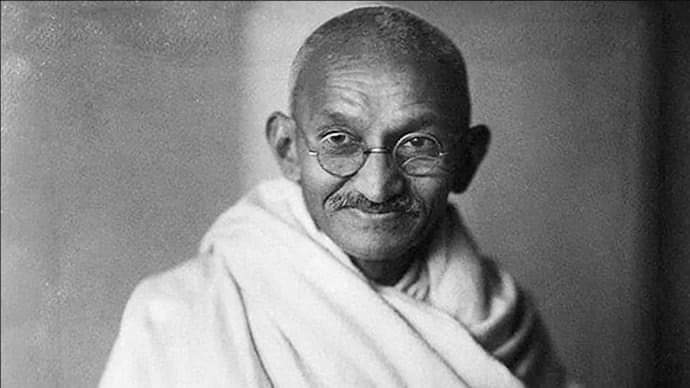
Title: Mahatma Gandhi: The Iconic Trailblazer of Peaceful Revolution
Introduction:
Mahatma Gandhi, a name that resonates with the principles of non-violence, civil rights, and social justice, stands as an enduring symbol of hope and change. His life and teachings have left an indelible impact on the world, inspiring countless individuals to strive for freedom, equality, and harmony. In this exciting and unique blog, we will delve into the extraordinary life of Mahatma Gandhi, exploring his philosophy, his struggles, and the far-reaching influence he continues to exert even today.
Early Life and Formative Years:
Born on October 2, 1869, in Porbandar, Gujarat, India, Mohandas Karamchand Gandhi grew up in a humble household deeply rooted in Hindu traditions. His upbringing instilled in him a sense of righteousness, honesty, and compassion, shaping his character and moral compass.
Gandhi’s journey took a significant turn when he went to study law in London. There, he was exposed to diverse ideas and philosophies, leading him to question social injustices and the prevailing British colonial rule in India. It was during this time that the seeds of his transformative ideology of non-violence and civil disobedience were sown.
The Path to Non-Violent Resistance:
Upon his return to India, Gandhi became increasingly involved in the struggle for India’s independence. He advocated for the rights of the common people, organizing protests, strikes, and boycotts against oppressive policies. His philosophy of Satyagraha (truth force) and Ahimsa (non-violence) became the pillars of his resistance movement, urging Indians to confront injustice with peaceful means.
From the Salt March, where thousands marched to the sea to protest against the British monopoly on salt, to the Quit India Movement, a powerful call for British withdrawal from India, Gandhi’s leadership inspired millions to unite and peacefully demand their rights. His steadfast commitment to non-violence as a force for change became a beacon of hope for oppressed peoples around the world.
Legacy and Global Impact:
Mahatma Gandhi’s influence extended far beyond the borders of India. His philosophy of non-violence and his unwavering dedication to justice inspired leaders and activists across the globe, including Martin Luther King Jr., Nelson Mandela, and Aung San Suu Kyi. Gandhi’s principles became instrumental in shaping major social and political movements worldwide, advocating for civil rights, freedom, and equality.
Beyond his political endeavors, Gandhi also championed the causes of communal harmony, education, and economic self-sufficiency. His commitment to promoting unity among different religious and ethnic groups and his emphasis on education as a tool for social upliftment continue to be relevant and impactful today.
Conclusion:
Mahatma Gandhi’s life and teachings serve as a testament to the power of peaceful resistance, unwavering conviction, and the indomitable human spirit. His legacy transcends time, inspiring generations to strive for a more just, equitable, and compassionate world. As we reflect on the extraordinary life of this iconic figure, we are reminded that even in the face of adversity, positive change can be achieved through non-violence and the unwavering pursuit of truth. Mahatma Gandhi’s path of peaceful revolution remains a guiding light for those who seek to challenge injustice and build a brighter future for all.
Title: Stephen Hawking: Unveiling the Secrets of the Universe
Introduction: Stephen Hawking, a name synonymous with brilliance and scientific inquiry, was a renowned theoretical physicist and cosmologist who made groundbreaking contributions to our understanding of the universe. Despite battling a debilitating neurological disease, Hawking defied all odds and became one of the most influential scientists of our time. In this blog, we delve into the extraordinary life and remarkable achievements of Stephen Hawking, a man who not only expanded our knowledge of the cosmos but also inspired millions around the world.
Early Life and Overcoming Adversity: Stephen William Hawking was born on January 8, 1942, in Oxford, England. From an early age, it was evident that he possessed a sharp intellect and an insatiable curiosity about the workings of the universe. However, at the age of 21, Hawking was diagnosed with amyotrophic lateral sclerosis (ALS), a motor neuron disease that gradually paralyzed him. Despite facing immense physical challenges, he refused to let his condition define him or dampen his scientific pursuits.
Revolutionary Discoveries: Hawking’s groundbreaking work in the field of theoretical physics centered around black holes and the nature of the universe. His most notable achievement, known as Hawking radiation, challenged the prevailing notion that black holes were absolute devourers of matter and energy. He proposed that black holes emit radiation over time and eventually evaporate, a revelation that revolutionized our understanding of these enigmatic cosmic entities.
Beyond black holes, Hawking made significant contributions to the study of cosmology, the origins of the universe, and the concept of a singularity—a point of infinite density and space-time curvature. His work on the Big Bang theory and the inflationary model of the universe pushed the boundaries of scientific knowledge and brought us closer to unraveling the mysteries of our existence.
Popularizing Science: Stephen Hawking possessed a rare gift for communicating complex scientific concepts to the general public. Through his bestselling book, “A Brief History of Time,” he made astrophysics and cosmology accessible to millions of readers worldwide. His ability to explain profound ideas with clarity and wit earned him a place in popular culture, transcending the realm of academia and inspiring a new generation of scientists and thinkers.
Legacy and Inspiration: Beyond his scientific achievements, Hawking’s resilience and indomitable spirit continue to inspire people around the world. Despite his physical limitations, he never lost his sense of wonder or his insatiable thirst for knowledge. Hawking’s determination to push the boundaries of scientific exploration, coupled with his advocacy for disability rights, serves as a powerful testament to the strength of the human spirit.
Conclusion: Stephen Hawking’s life and work have left an indelible mark on the scientific community and the world at large. His pioneering research into the nature of black holes, the origin of the universe, and his efforts to make science accessible to all have forever changed our understanding of the cosmos. More than just a brilliant scientist, Hawking’s unwavering determination and his ability to overcome adversity serve as a beacon of inspiration for all those facing challenges in their own lives. Stephen Hawking will forever be remembered as a visionary who expanded the boundaries of human knowledge and encouraged us to explore the mysteries of the universe.