Title: Winston Churchill: The Indomitable Leader
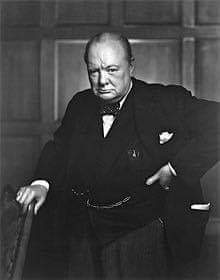
Introduction: Winston Churchill, a name that resonates with strength, resilience, and leadership. As one of the most prominent figures in modern history, Churchill played a pivotal role in shaping the course of the 20th century. His indomitable spirit, unwavering determination, and powerful oratory skills made him a beacon of hope during one of humanity’s darkest hours—the Second World War. In this blog, we delve into the life and legacy of Winston Churchill, exploring the key moments that defined him as a statesman, war leader, and visionary.

Early Life and Political Beginnings: Winston Churchill was born on November 30, 1874, in Blenheim Palace, England. Coming from an aristocratic family, he received an elite education and went on to serve in the British Army. However, it was in politics that Churchill found his true calling. He became a Member of Parliament in 1900 and swiftly rose through the ranks, holding various ministerial positions over the years.
The Battle Against Nazism: Churchill’s defining moment arrived in 1940 when he became Prime Minister, a position he held until 1945. It was during this period that he demonstrated his unwavering resolve in the face of Adolf Hitler’s Nazi regime. Churchill’s stirring speeches, including the famous “We Shall Fight on the Beaches” address, united the British people and inspired them to resist the German onslaught. His leadership during the Battle of Britain, where he championed the Royal Air Force, earned him the admiration of the nation and solidified his place in history.
The Alliance and Victory: Churchill understood the importance of forging alliances and worked closely with other world leaders, most notably Franklin D. Roosevelt and Joseph Stalin, to defeat the Axis powers. His tenacity and strategic thinking played a crucial role in shaping the Allied war effort. Churchill’s unyielding stance and unwavering determination to achieve victory contributed significantly to the ultimate defeat of Nazi Germany in 1945.

Post-War Challenges and Legacy: Following the end of World War II, Churchill’s role shifted as he navigated the complexities of post-war geopolitics. He delivered his famous “Iron Curtain” speech, highlighting the growing tensions between the Soviet Union and the Western democracies. Although he was no longer Prime Minister, Churchill continued to be an influential figure, advocating for the preservation of democracy and the values he held dear.
Beyond his political career, Churchill was an accomplished writer, winning the Nobel Prize in Literature in 1953 for his historical and biographical works. His memoir, “The Second World War,” remains a seminal account of the war and a testament to his insightful analysis.
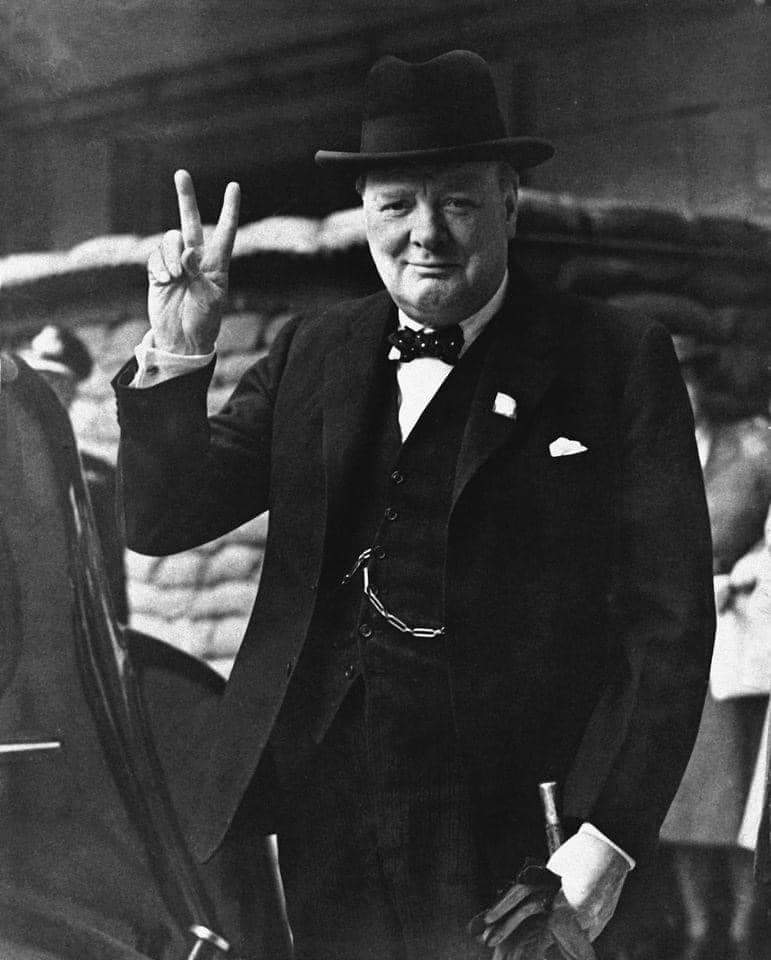
Conclusion: Winston Churchill’s leadership, courage, and eloquence made him a towering figure of the 20th century. His ability to rally a nation in its darkest hour and his unwavering determination to defeat tyranny have secured his place in history as one of the greatest statesmen of all time. Churchill’s legacy continues to inspire leaders around the world, reminding us that in the face of adversity, it is our resilience and steadfastness that truly define us.