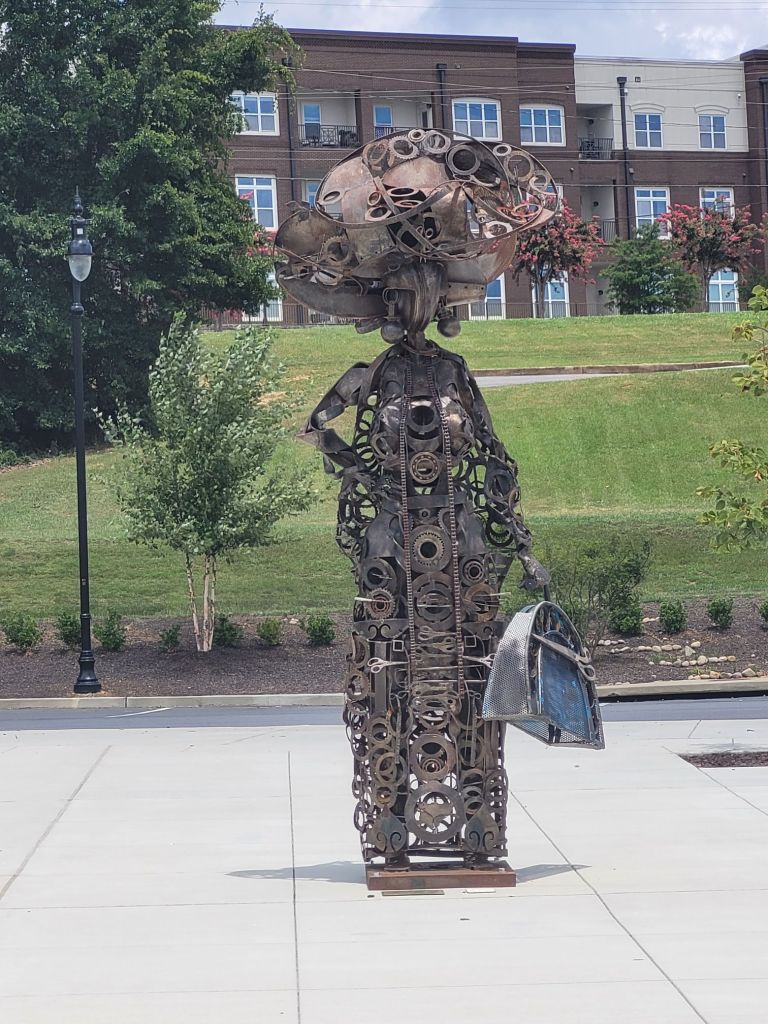
This weekend, I finally got the chance to explore Suwanee, Georgia—and wow, it’s giving small-town charm with big energy! My friend and I started our day near Suwanee City Hall, where we discovered a mix of cute local shops, restaurants, and art tucked around every corner. The area had a cool, laid-back vibe that instantly made me want to stay longer and explore deeper.
From there, we made our way to the Suwanee Town Center, which honestly felt like the heart of it all. One of the highlights? The brand-new pedestrian bridge! We got to walk across it and take in the views—peaceful park space, families enjoying the day, and that community feel that’s hard to come by these days. It was my first time experiencing Suwanee, and it absolutely left an impression.
Fun history moment: Suwanee started as a Native American village and later became a railroad town in the 1800s. Fast forward to today—it’s one of the most vibrant and award-winning small cities in Georgia, known for its green spaces, public art, and community events.
Now I’m already planning a return visit—this time when they have live music, local bands, and outdoor festivals lighting up the Town Center. I’m also excited to check out more surrounding cities to see what other gems I’ve been missing.
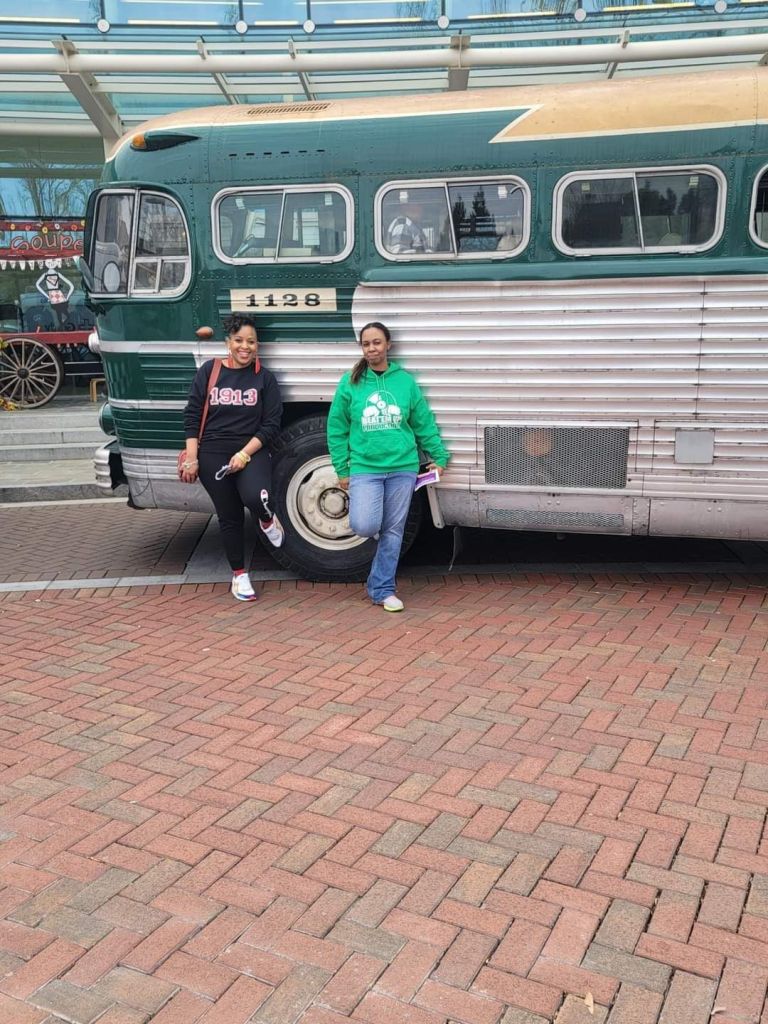
Y’all know Cece be in the city, and you already know I had to check out Hop n Go Tours—the ultimate sightseeing experience in Atlanta! From day tours and food tours to grown-and-sexy adult tours, Hop n Go is doing it all. I went on a two-hour adventure with our amazing tour guide, Alex, and let me tell you… she’s the real MVP!
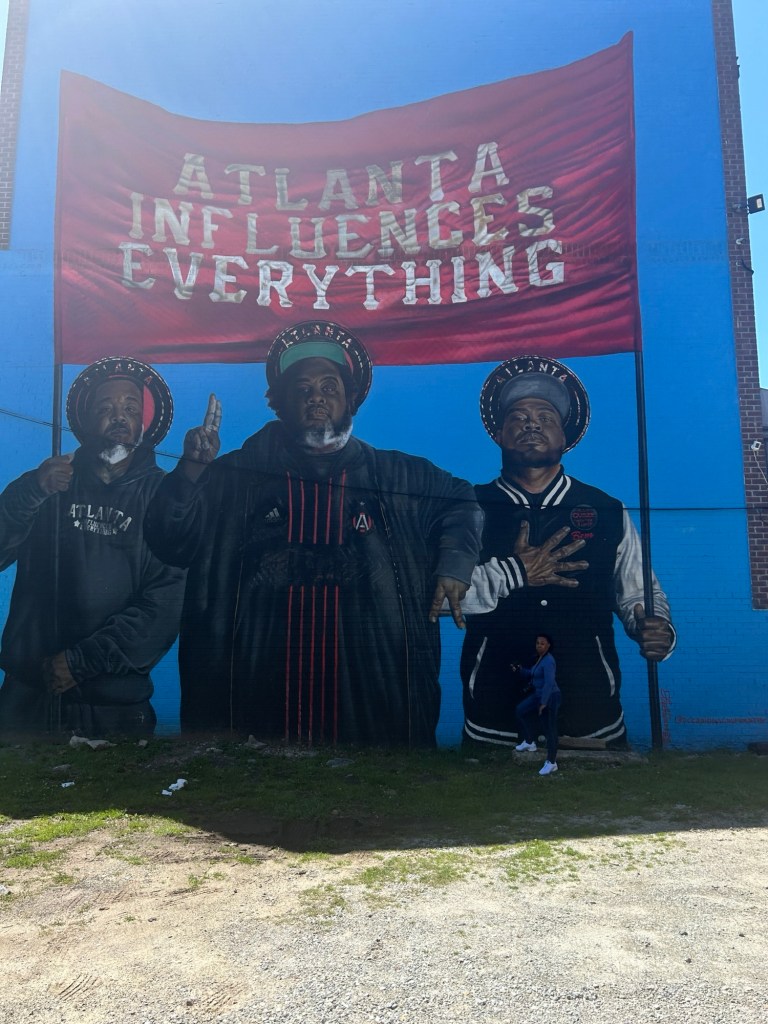
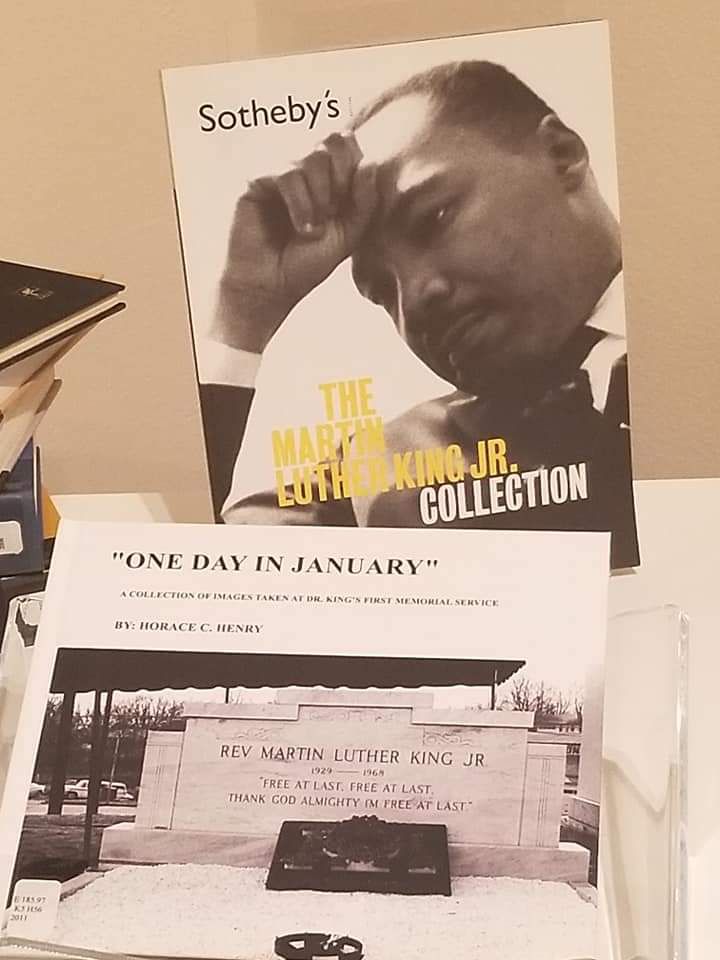
We rolled through ATL in style, soaking up the sights and history. Alex dropped gems on every stop—we hit Centennial Olympic Park, the Georgia State Capitol, Dr. Martin Luther King Jr.’s home and exhibit, the Madame CJ Walker Museum, The Underground, and more. It wasn’t just a tour, it was a whole vibe!
Alex knows her stuff. I even got a chance to chat with her one-on-one. Hop n Go started as her passion project after she moved from L.A. to Atlanta. She wanted to connect with the city on a deeper level, and since she loves traveling and meeting new people, she decided to bring those passions together and create something dope—and boom, Hop n Go Tours was born.
When I asked her what she loves most about ATL, she said:
Meeting new people and embracing the culture.
All the unique experiences Atlanta has to offer.
And of course… the food! (We definitely bonded over that one!)
Hop n Go is a one-stop shop. Alex mixes history, music, and fun to give you a tour you won’t forget. Oh—and you can sip while you ride! Champagne, soft drinks, even adult beverages are available on board. Yes, ma’am!
I had the best time learning about the city and snapping pics at the landmarks. I’m already planning a group tour with my Women Stand Strong crew—and we might just try the night tour next. Atlanta really shines when it lights up at night!
So if you’re ever in the A—or even if you’re a local looking to explore your city in a new way—check out Hop n Go Tours. Alex is awesome, and her energy is contagious. Trust me, you’ll leave with memories, photos, and fun facts you’ll want to tell everybody.
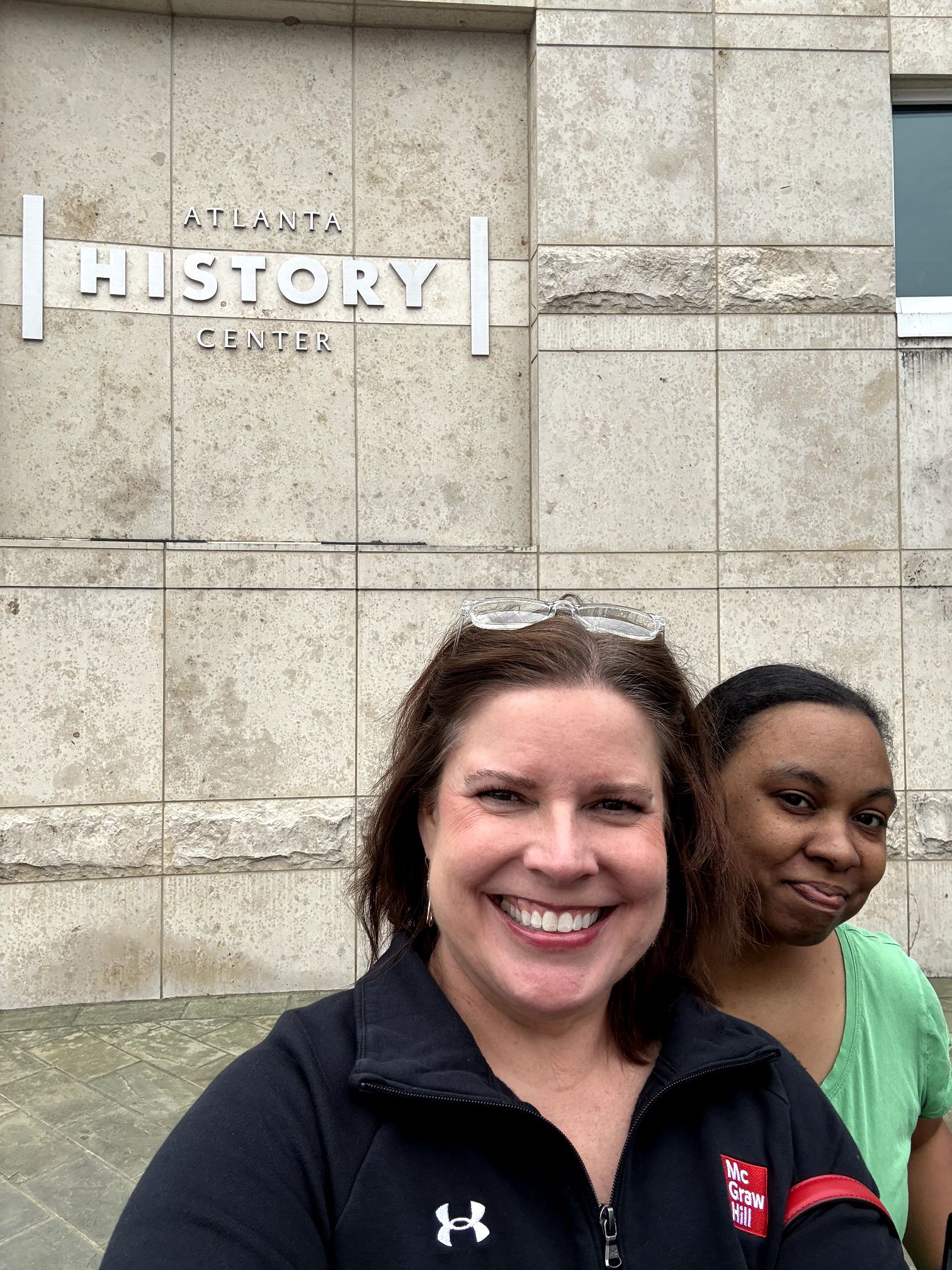
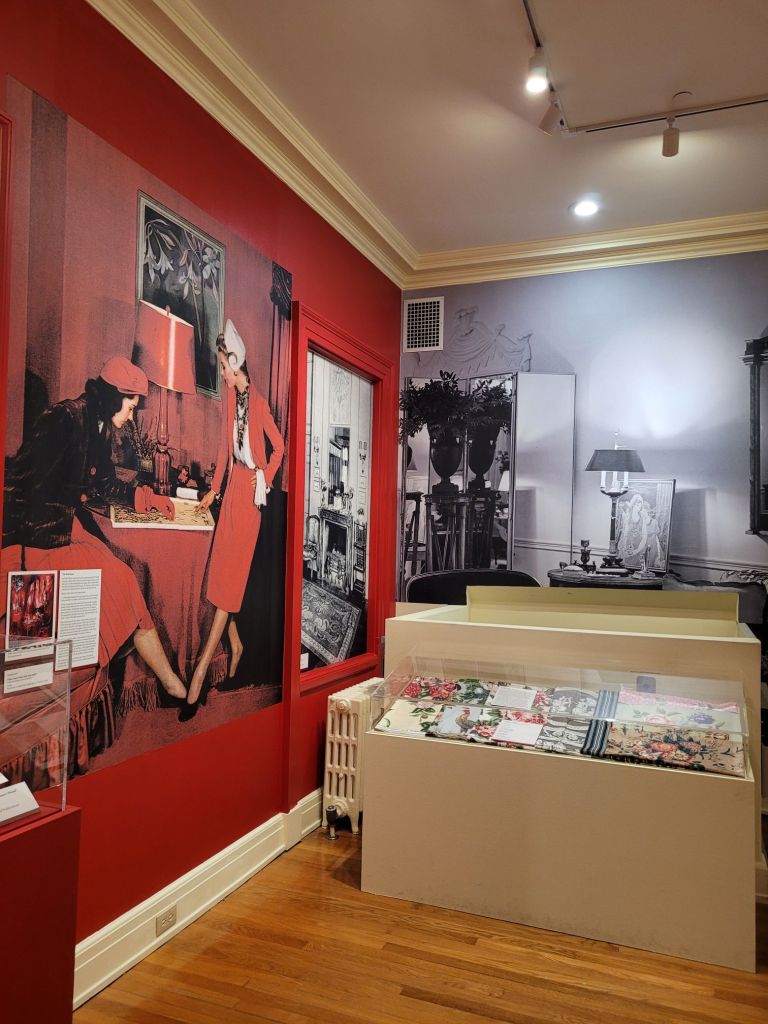
Yesterday was a long but fulfilling day, and I kicked it off with a visit to the Atlanta History Center alongside my friend. It was her first time experiencing it, while this marked my second visit. Even though I had been before, I was excited to rediscover the exhibits and soak in the rich history that this incredible place has to offer.
The Atlanta History Center spans over 33 acres and is home to several historic sites, exhibits, and gardens. It provides a deep dive into Georgia’s past, from the Civil War to the civil rights movement and beyond. One of the standout moments of our visit was watching a short film about Atlanta’s history—it was both informative and engaging, giving us a deeper appreciation for the city’s evolution over time.
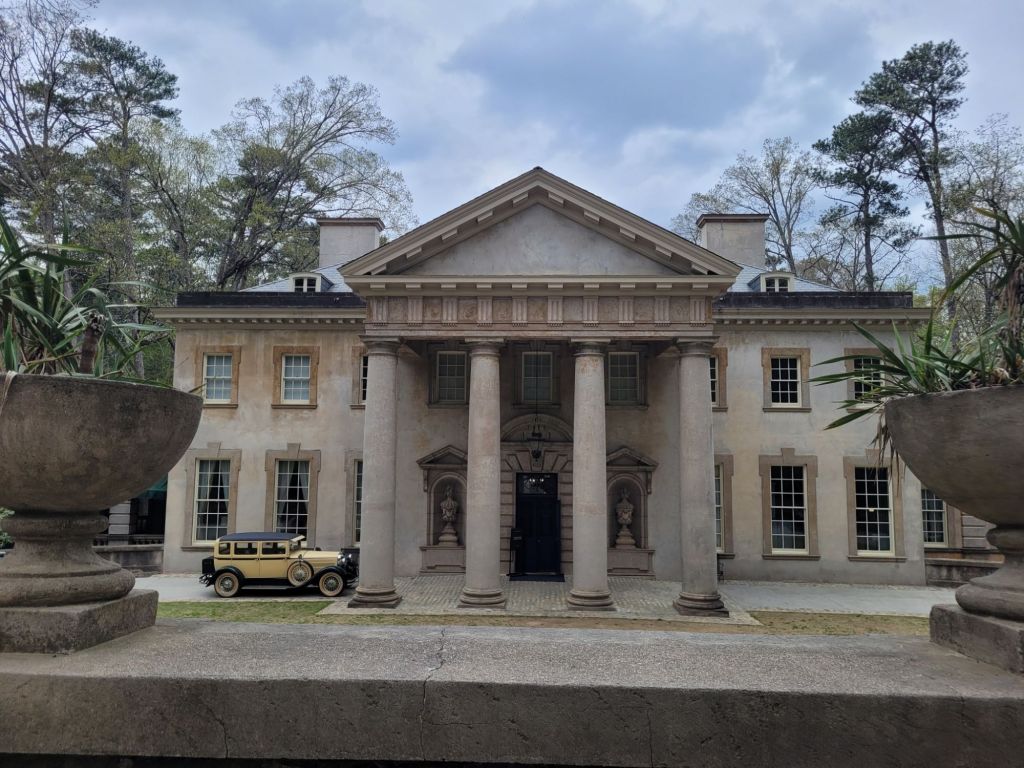
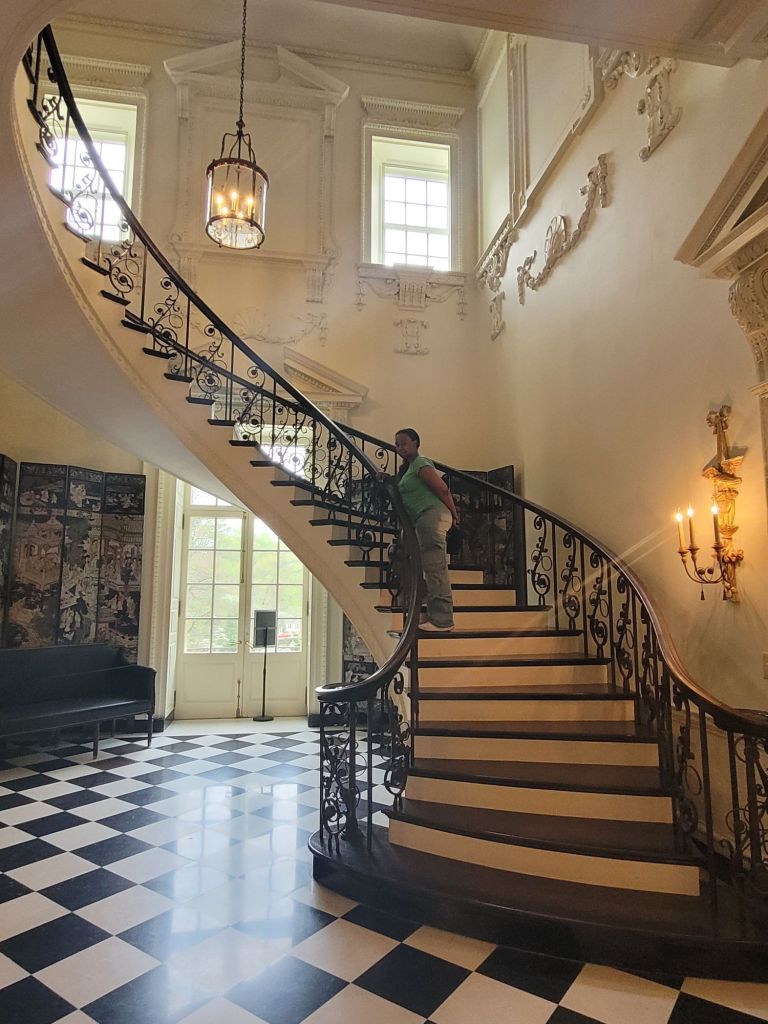
After exploring the main exhibits, we made our way to the Swan House, one of Atlanta’s most iconic landmarks. Built in 1928, this elegant mansion was once the home of the Inman family, a wealthy banking family in Atlanta. Today, it’s preserved as a museum, showcasing its original furnishings and breathtaking architecture. Fun fact: The Swan House even made an appearance in The Hunger Games: Catching Fire!
As we arrived, we saw that they were setting up for a wedding, and let me tell you—the setup was absolutely stunning! The grand staircases, lush gardens, and timeless elegance of the mansion made for the perfect fairytale setting. I can only imagine how beautiful the ceremony must have been.
And did we get our steps in? Absolutely! Between the winding paths, multiple staircases, and sprawling exhibits, we definitely got a good workout in. The Atlanta History Center is massive, but every step was worth it. The combination of history, beauty, and culture makes it a must-visit for anyone in the city.
If you ever find yourself in Atlanta, I highly recommend stopping by. Whether you’re a history buff, an architecture lover, or just looking for a beautiful place to explore, the Atlanta History Center has something for everyone. It’s well worth the trip!
We started Day 2 in Panama with a delightful breakfast at the Waldorf Astoria, fueling up for a day packed with history and adventure.
Our first stop was the Museo de Panamá Viejo, located in the ruins of Panamá Viejo—the original city founded in 1519. As the first European settlement along the Pacific, the area holds great historical significance. Strolling through the ruins, we learned how this once-thriving city was destroyed by the infamous pirate Henry Morgan in 1671. The museum itself offers a captivating glimpse into the country’s colonial past, with artifacts and exhibits that bring its rich history to life.
Next, we visited the Panama Canal, an absolute must-see. The canal, completed in 1914, transformed global shipping routes and is often referred to as one of the modern world’s greatest engineering feats. Watching the massive ships pass through the locks was mesmerizing, and learning about how this canal connects the Atlantic and Pacific Oceans was even more impressive.
For an adrenaline rush, we headed to Poin, where we zip-lined from building to building. The experience was exhilarating, especially with panoramic views of the city below. We also took on “The Edge,” a daring challenge that had us suspended high above the ground—it was heart-pounding fun!
We wrapped up the day back at the Waldorf Astoria for dinner, enjoying a relaxing meal after such an action-packed afternoon. To cap off the evening, Panama treated us to a peaceful rainstorm, adding a cozy touch as we settled in for the night.
Get ready for an exhilarating June as I take you on a thrilling journey through the heart of Atlanta! I’ve crafted my very own Atlanta Bucket List, packed with adventures and hidden gems. Some of these I’ve already experienced, and I’m excited to share my stories and insights with you. Let’s dive in!
Day 19: Atlanta History Center
On the nineteenth day, I immersed myself in the rich tapestry of Atlanta’s past at the Atlanta History Center. This museum is an absolute gem, offering a deep dive into the city’s history through engaging exhibits and informative films.
Exploring the museum was a captivating experience. The exhibits vividly depict Atlanta’s heritage, from its early days to its pivotal moments in history. The film presentations added an extra layer of understanding, making the history come alive in a truly memorable way.
As a lover of learning and museums, I found the Atlanta History Center to be both enlightening and enjoyable. If you’re in Atlanta, this museum is a must-visit. It’s a fascinating journey through time that will leave you with a greater appreciation for this vibrant city. Don’t miss out on this enriching adventure!
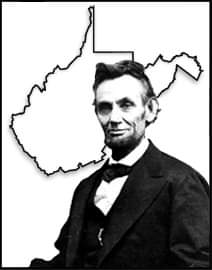
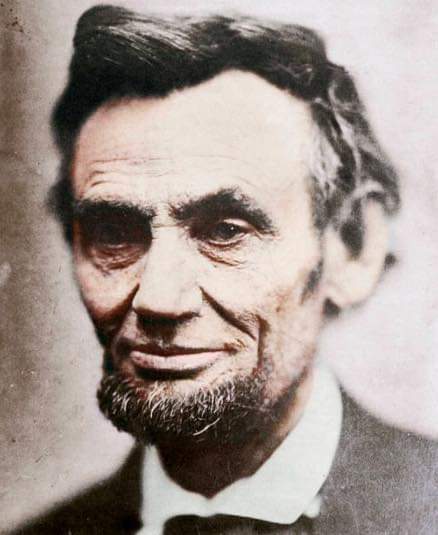
Title: Abraham Lincoln: The Unwavering Leader Who Shaped a Nation
Introduction: Abraham Lincoln, the 16th President of the United States, is widely regarded as one of the greatest leaders in American history. His legacy extends far beyond his presidency, as his leadership during one of the nation’s most turbulent periods, the Civil War, transformed the United States and set a precedent for leadership in times of crisis. In this blog, we will explore the life, accomplishments, and enduring legacy of Abraham Lincoln, highlighting his unwavering dedication to preserving the Union and advancing the cause of freedom.
Humble Origins and Self-Education: Born on February 12, 1809, in a log cabin in Kentucky, Abraham Lincoln grew up in modest circumstances. Despite limited formal education, he possessed an insatiable curiosity and a thirst for knowledge. Through self-education, Lincoln developed a keen intellect, honed his oratory skills, and shaped his character, laying the foundation for his future leadership.
Emancipation Proclamation and the Fight for Freedom: One of Abraham Lincoln’s most significant achievements was the issuance of the Emancipation Proclamation in 1862. This historic document declared that all slaves in Confederate territory were to be set free, transforming the Civil War into a struggle for emancipation and ensuring that the Union’s cause became synonymous with the abolition of slavery.
Gettysburg Address and the Power of Words: On November 19, 1863, in the midst of the Civil War, Lincoln delivered his immortal Gettysburg Address. In just a few concise and powerful paragraphs, he eloquently articulated the principles of liberty, equality, and democracy, reaffirming the purpose for which the Union fought. The Gettysburg Address remains one of the most revered speeches in American history, encapsulating Lincoln’s profound understanding of the nation’s ideals and the sacrifice required to preserve them.
Preservation of the Union: Abraham Lincoln’s unwavering commitment to preserving the Union was evident throughout his presidency. Despite facing immense challenges and divisions, he navigated the complexities of the Civil War with courage, resolve, and strategic decision-making. His leadership brought unity to a fractured nation and laid the groundwork for a more inclusive and prosperous future.
Assassination and Legacy: Tragically, Abraham Lincoln’s presidency was cut short when he was assassinated on April 14, 1865. However, his legacy endures. Lincoln’s leadership and unwavering commitment to justice, equality, and the preservation of the Union continue to inspire leaders around the world. His ideals and principles shaped the foundation of a more inclusive United States and set the stage for subsequent civil rights advancements.
Enduring Relevance: Abraham Lincoln’s leadership provides timeless lessons for leaders of any era. His ability to empathize, inspire, and make difficult decisions in the face of adversity serves as a model for effective leadership. Lincoln’s legacy serves as a reminder that through vision, integrity, and resilience, leaders can guide their nations through the most challenging of times and strive for a more just and united society.
Conclusion: Abraham Lincoln’s remarkable journey from humble beginnings to the presidency and his steadfast leadership during a tumultuous period in American history have cemented his status as an iconic figure. Through his commitment to justice, freedom, and the preservation of the Union, Lincoln left an indelible mark on the United States and the world. His enduring legacy serves as a testament to the power of leadership and the transformative potential of unwavering principles in shaping the course of a nation.
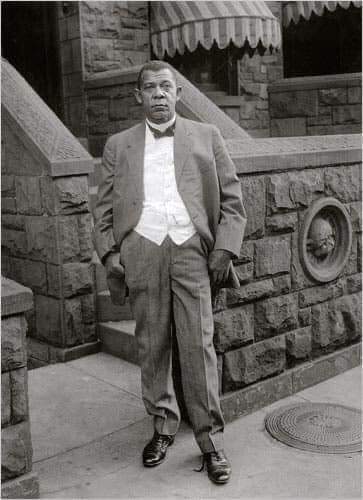
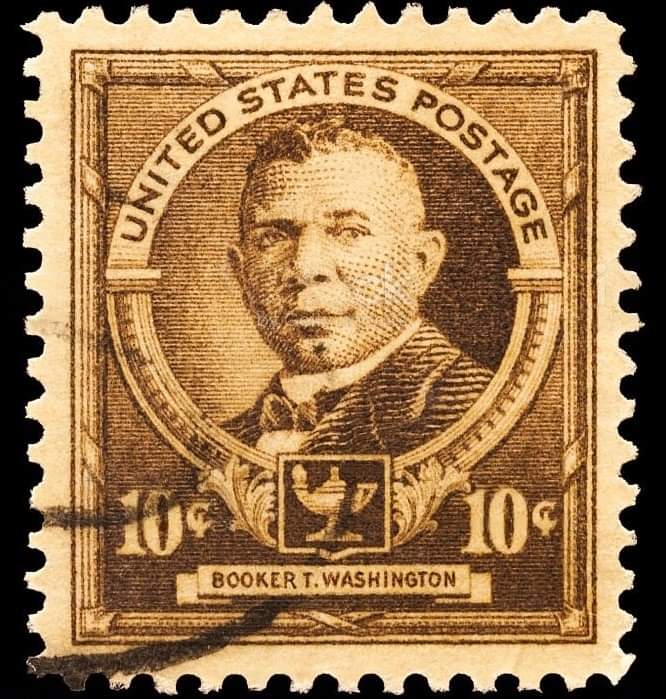
Title: Booker T. Washington: Educator, Leader, and Advocate for African American Empowerment
Introduction: Booker T. Washington, a prominent figure in the post-Civil War era, dedicated his life to the advancement of African Americans through education and economic empowerment. As a renowned educator, author, and influential leader, Washington played a significant role in shaping the trajectory of African American progress in the United States. In this blog, we will delve into the life, accomplishments, and enduring legacy of Booker T. Washington, examining his contributions to the fight for equality and his influential ideas on racial upliftment.
Early Life and Educational Journey: Booker Taliaferro Washington was born into slavery on April 5, 1856, in Hale’s Ford, Virginia. Despite the immense challenges he faced as an enslaved individual, Washington demonstrated a deep thirst for knowledge. After the abolition of slavery, he pursued an education at the Hampton Normal and Agricultural Institute (now Hampton University) and later became a teacher at the institute.
The Founding of Tuskegee Institute: In 1881, Washington was chosen to establish and lead the Tuskegee Institute (now Tuskegee University) in Alabama. Under his leadership, the institute grew into a renowned center of vocational education for African Americans. Washington believed that practical skills, such as farming, carpentry, and industrial trades, were essential for African Americans to gain economic independence and respect in society.
The Atlanta Compromise: In 1895, Booker T. Washington delivered a speech at the Atlanta Exposition, which came to be known as the Atlanta Compromise. In his address, he advocated for a conciliatory approach, urging African Americans to focus on self-improvement, economic advancement, and vocational education rather than directly challenging discriminatory laws and practices. This approach aimed to foster economic cooperation between African Americans and white Americans, with the belief that it would eventually lead to racial harmony and equality.
Influence and Controversy: Booker T. Washington’s ideas and leadership style drew both admiration and criticism. While he gained support from philanthropists and white politicians, his accommodationist approach drew the ire of more radical activists who demanded immediate civil and political rights for African Americans. Critics, such as W.E.B. Du Bois, accused Washington of perpetuating segregation and perpetuating a subordinate position for African Americans.
Authorship and Influence: Washington’s influence extended beyond his leadership at Tuskegee Institute. He authored several influential books, including his autobiography, “Up from Slavery,” which became a bestseller and provided a personal account of his life and ideas. Through his writings, speeches, and extensive travels, Washington reached a wide audience and inspired countless individuals to pursue education, self-reliance, and economic independence.
Legacy and Lasting Impact: Booker T. Washington’s legacy is complex and multifaceted. While some criticized his emphasis on economic progress at the expense of civil rights, Washington’s commitment to education and vocational training cannot be denied. His efforts paved the way for future generations of African Americans to access education and economic opportunities. The Tuskegee Institute stands as a testament to his enduring impact and continues to serve as a hub for African American education and community development.
Conclusion: Booker T. Washington’s life and work embody the indomitable spirit of resilience and determination in the face of adversity. His emphasis on education, self-improvement, and economic empowerment provided a path forward for African Americans in a deeply segregated and discriminatory society. Although his ideas and approach have been debated, Washington’s dedication to uplifting African Americans and his enduring legacy as an educator and advocate for racial progress continue to resonate today.
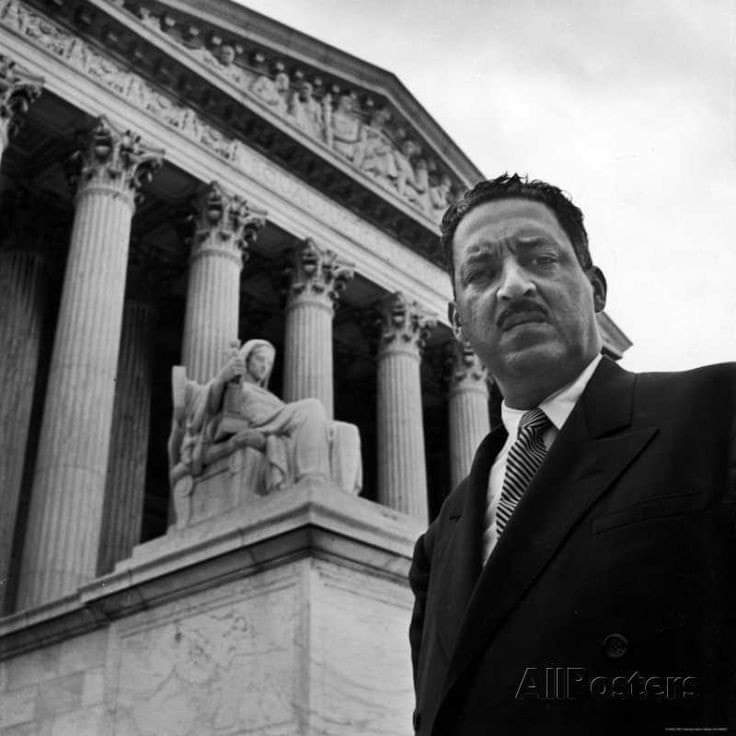
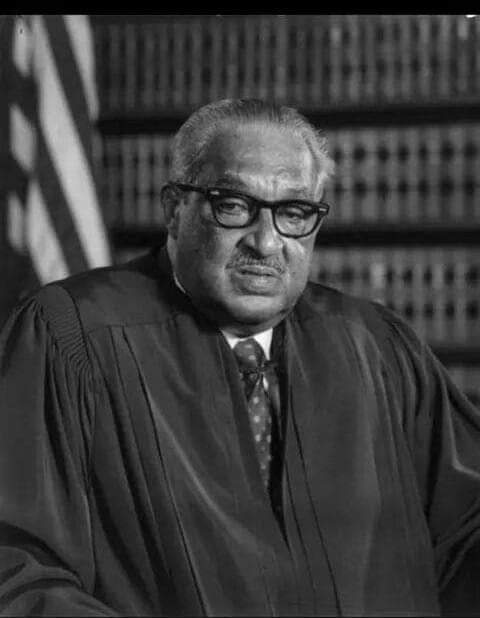
Title: Thurgood Marshall: A Trailblazer in the Pursuit of Justice
Introduction: Thurgood Marshall, a towering figure in American legal history, dedicated his life to championing civil rights and equality under the law. As the first African American Supreme Court Justice, Marshall’s impact extended far beyond his historic appointment. In this blog, we will explore the life, accomplishments, and lasting legacy of Thurgood Marshall, highlighting his pivotal role in shaping the course of American jurisprudence and advancing the cause of justice for all.
Early Life and Education: Born on July 2, 1908, in Baltimore, Maryland, Thurgood Marshall faced racial discrimination and segregation from an early age. Despite these challenges, he excelled academically and earned a law degree from Howard University School of Law, where he sharpened his legal acumen and began his lifelong fight against racial injustice.
The NAACP and the Fight for Civil Rights: Thurgood Marshall joined the National Association for the Advancement of Colored People (NAACP) in 1936 and became the head of its Legal Defense and Educational Fund (LDF). Marshall fearlessly tackled racial inequality by challenging discriminatory laws and practices in landmark cases, including the famous Brown v. Board of Education case that led to the desegregation of public schools.
Brown v. Board of Education and the Path to Desegregation: Thurgood Marshall’s pivotal role in the Brown v. Board of Education case in 1954 was a watershed moment in American history. As lead counsel for the NAACP, Marshall argued before the Supreme Court that racial segregation in public schools violated the Constitution’s guarantee of equal protection under the law. The Court’s unanimous ruling in favor of desegregation marked a monumental step towards dismantling legal segregation and set the stage for further civil rights advancements.
From Advocate to Supreme Court Justice: In 1967, Thurgood Marshall made history by becoming the first African American to be appointed to the United States Supreme Court. As a Justice, Marshall consistently upheld the principles of equality and justice, advocating for the rights of marginalized communities and promoting progressive interpretations of the Constitution. His tenure on the Court spanned 24 years, during which he played a crucial role in numerous landmark decisions, including supporting affirmative action and protecting individual liberties.
Legacy and Lasting Impact: Thurgood Marshall’s legacy is one of unwavering commitment to equality, fairness, and justice. His relentless pursuit of civil rights transformed the legal landscape of the United States and laid the groundwork for subsequent advancements in the fight against discrimination. Marshall’s jurisprudence and his belief in the power of the law to effect societal change continue to inspire generations of lawyers, activists, and leaders.
Beyond the Court: Even after retiring from the Supreme Court in 1991, Thurgood Marshall remained active in promoting social justice. He continued to speak out against racial disparities in the criminal justice system and advocated for equal access to education. Marshall’s dedication to civil rights extended far beyond the courtroom, leaving an indelible mark on American society as a whole.
Conclusion: Thurgood Marshall’s remarkable journey from a young African American boy facing segregation to becoming a Supreme Court Justice serves as a testament to the transformative power of the law and the unwavering commitment to justice. His tireless efforts to dismantle racial barriers and secure equal rights for all continue to reverberate today. Thurgood Marshall’s legacy stands as a reminder of the importance of courage, perseverance, and the ongoing fight for a more just and inclusive society.
Title: The Extraordinary Mind of Albert Einstein: Unraveling the Genius
Introduction: Albert Einstein, a name synonymous with genius, revolutionized the world of physics and left an indelible mark on human history. His profound insights, groundbreaking theories, and relentless pursuit of knowledge continue to shape our understanding of the universe. In this blog, we will delve into the life, accomplishments, and enduring legacy of one of the greatest scientific minds of all time—Albert Einstein.
Early Life and Education: Albert Einstein was born on March 14, 1879, in Ulm, Germany. As a child, he exhibited an insatiable curiosity and a deep fascination with the mysteries of nature. Einstein’s unconventional thinking and rebellious nature often clashed with the rigid educational system of his time. However, his love for mathematics and physics propelled him forward, leading him to enroll in the Swiss Federal Polytechnic in Zurich.
The Miracle Year: In 1905, known as Einstein’s “Annus Mirabilis” or Miracle Year, he published four groundbreaking papers that would revolutionize physics. These papers introduced the special theory of relativity, which transformed our understanding of time, space, and the relationship between energy and mass (E=mc²). Einstein’s work laid the foundation for modern physics and challenged Newtonian mechanics.
The General Theory of Relativity: Einstein’s pursuit of a more comprehensive theory led him to develop the general theory of relativity. Published in 1915, this theory proposed that gravity is not a force but rather a curvature in the fabric of space and time caused by massive objects. The general theory of relativity predicted phenomena such as gravitational waves and the bending of starlight around massive objects, which were later confirmed by experiments.
Quantum Theory and the Einstein-Bohr Debate: While Einstein’s contributions to the field of physics were immense, he remained skeptical of certain aspects of quantum theory. He engaged in spirited debates with leading physicists of his time, most notably Niels Bohr. Einstein famously quipped, “God does not play dice with the universe,” expressing his belief that quantum mechanics was an incomplete description of reality. Despite his reservations, Einstein’s work paved the way for the development of quantum physics.
Einstein’s Social and Political Activism: Beyond his scientific achievements, Albert Einstein was also an outspoken advocate for social justice and a staunch pacifist. He denounced war and used his fame to champion civil rights, disarmament, and the establishment of a world government. Einstein’s name became synonymous with intellect and humanitarianism, and he was awarded the Nobel Prize in Physics in 1921 for his discovery of the photoelectric effect.
Later Life and Legacy: In 1933, with the rise of the Nazi regime, Einstein emigrated to the United States, where he accepted a position at the Institute for Advanced Study in Princeton. He continued his scientific work and embarked on a quest for a unified field theory until his passing in 1955. Einstein’s theories and ideas continue to inspire scientists, philosophers, and thinkers worldwide. His intellectual legacy transcends the boundaries of science and has permeated popular culture.
Conclusion: Albert Einstein’s brilliance and insatiable curiosity propelled him to unravel the deepest mysteries of the universe. His theories continue to shape our understanding of physics, time, and space, while his dedication to social justice serves as a reminder of the importance of using knowledge for the betterment of humanity. Einstein’s impact on science and society remains immeasurable, and his legacy as an extraordinary scientist and visionary endures to this day.
Title: Thomas Edison: The Genius Who Illuminated the World
Introduction:
Thomas Alva Edison, often hailed as one of history’s greatest inventors, was a remarkable figure whose contributions revolutionized the world. Born on February 11, 1847, in Milan, Ohio, Edison’s insatiable curiosity, tireless work ethic, and boundless creativity propelled him to become the epitome of the American Dream. This blog delves into the life, inventions, and enduring legacy of Thomas Edison, shedding light on his remarkable journey of innovation.
Early Life and Education:
Edison’s formative years were marked by his natural inclination for experimentation. Although he received little formal education, his mother, Nancy Edison, played a vital role in nurturing his inquisitive mind. At the tender age of ten, young Thomas set up his first laboratory in the basement of their Port Huron, Michigan home, a testament to his early passion for discovery.
Inventions that Shaped the World:
2.1. The Phonograph: Among Edison’s most iconic inventions was the phonograph, which he patented in 1878. This groundbreaking device allowed sound to be recorded and played back, forever changing the way we preserve and enjoy music. The phonograph paved the way for the modern music industry and set the stage for future advancements in audio technology.
2.2. The Incandescent Light Bulb: Edison’s most renowned invention, the incandescent light bulb, revolutionized the way we illuminate our lives. Through relentless experimentation, he developed a practical and commercially viable light bulb, introducing electric lighting to homes, cities, and industries worldwide. This innovation marked the beginning of a new era and laid the foundation for the electrification of the modern world.
2.3. The Motion Picture Camera: Edison’s contributions extended to the realm of visual media with the invention of the motion picture camera, or kinetograph, in 1891. This revolutionary device captured moving images, setting the stage for the birth of the film industry. Edison’s invention laid the groundwork for the development of modern cinema, an art form that continues to captivate audiences worldwide.
The Path to Success:
Edison’s journey to success was paved with countless failures and setbacks. His famous quote, “I have not failed. I’ve just found 10,000 ways that won’t work,” encapsulates his unyielding determination and resilience. Despite encountering numerous obstacles, Edison persevered and filed over 1,000 patents in his lifetime, leaving an indelible mark on human history.
The Menlo Park Laboratory:
Edison’s Menlo Park laboratory, often referred to as the “invention factory,” served as the birthplace for many of his groundbreaking inventions. This research facility brought together brilliant minds from various fields, fostering collaboration and innovation. It was here that Edison refined his approach to invention, employing rigorous scientific methods and iterative experimentation.
Legacy and Impact:
Thomas Edison’s impact on the world cannot be overstated. His inventions transformed society, powering industrial progress, shaping entertainment, and improving the quality of life for millions. Furthermore, Edison’s work inspired future generations of inventors and innovators, perpetuating his legacy of relentless pursuit and curiosity.
Conclusion:
Thomas Edison’s brilliance and relentless pursuit of innovation earned him a place in history as one of the most influential inventors of all time. From the phonograph to the light bulb, his inventions shaped the modern world and continue to impact our lives today. Edison’s unwavering determination and willingness to embrace failure serve as a reminder that success often arises from perseverance and resilience. As we bask in the glow of electric light and enjoy the marvels of modern technology, we owe a debt of gratitude to Thomas Edison, the genius