Tag: justice

  • Thurgood Marshall: A Trailblazer in the Pursuit of Justice

    Title: Thurgood Marshall: A Trailblazer in the Pursuit of Justice

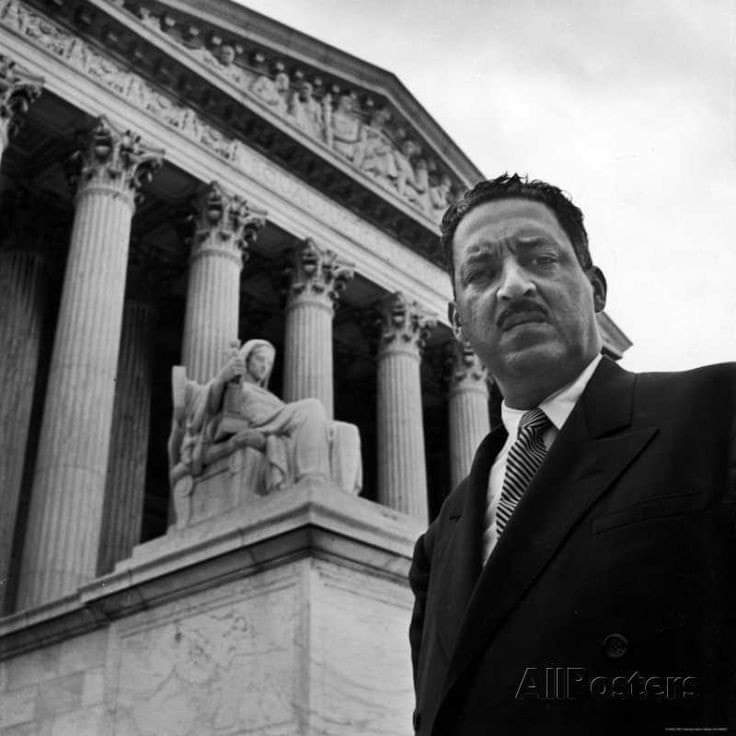
    Introduction: Thurgood Marshall, a towering figure in American legal history, dedicated his life to championing civil rights and equality under the law. As the first African American Supreme Court Justice, Marshall’s impact extended far beyond his historic appointment. In this blog, we will explore the life, accomplishments, and lasting legacy of Thurgood Marshall, highlighting his pivotal role in shaping the course of American jurisprudence and advancing the cause of justice for all.

    1. Early Life and Education: Born on July 2, 1908, in Baltimore, Maryland, Thurgood Marshall faced racial discrimination and segregation from an early age. Despite these challenges, he excelled academically and earned a law degree from Howard University School of Law, where he sharpened his legal acumen and began his lifelong fight against racial injustice.
    2. The NAACP and the Fight for Civil Rights: Thurgood Marshall joined the National Association for the Advancement of Colored People (NAACP) in 1936 and became the head of its Legal Defense and Educational Fund (LDF). Marshall fearlessly tackled racial inequality by challenging discriminatory laws and practices in landmark cases, including the famous Brown v. Board of Education case that led to the desegregation of public schools.
    3. Brown v. Board of Education and the Path to Desegregation: Thurgood Marshall’s pivotal role in the Brown v. Board of Education case in 1954 was a watershed moment in American history. As lead counsel for the NAACP, Marshall argued before the Supreme Court that racial segregation in public schools violated the Constitution’s guarantee of equal protection under the law. The Court’s unanimous ruling in favor of desegregation marked a monumental step towards dismantling legal segregation and set the stage for further civil rights advancements.
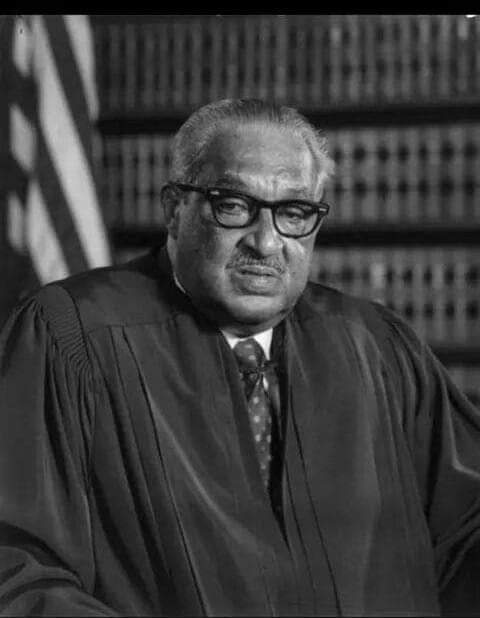
    4. From Advocate to Supreme Court Justice: In 1967, Thurgood Marshall made history by becoming the first African American to be appointed to the United States Supreme Court. As a Justice, Marshall consistently upheld the principles of equality and justice, advocating for the rights of marginalized communities and promoting progressive interpretations of the Constitution. His tenure on the Court spanned 24 years, during which he played a crucial role in numerous landmark decisions, including supporting affirmative action and protecting individual liberties.
    5. Legacy and Lasting Impact: Thurgood Marshall’s legacy is one of unwavering commitment to equality, fairness, and justice. His relentless pursuit of civil rights transformed the legal landscape of the United States and laid the groundwork for subsequent advancements in the fight against discrimination. Marshall’s jurisprudence and his belief in the power of the law to effect societal change continue to inspire generations of lawyers, activists, and leaders.
    6. Beyond the Court: Even after retiring from the Supreme Court in 1991, Thurgood Marshall remained active in promoting social justice. He continued to speak out against racial disparities in the criminal justice system and advocated for equal access to education. Marshall’s dedication to civil rights extended far beyond the courtroom, leaving an indelible mark on American society as a whole.

    Conclusion: Thurgood Marshall’s remarkable journey from a young African American boy facing segregation to becoming a Supreme Court Justice serves as a testament to the transformative power of the law and the unwavering commitment to justice. His tireless efforts to dismantle racial barriers and secure equal rights for all continue to reverberate today. Thurgood Marshall’s legacy stands as a reminder of the importance of courage, perseverance, and the ongoing fight for a more just and inclusive society.
  • Malcolm X: A Revolutionary Voice for Justice and Equality

    Title: Malcolm X: A Revolutionary Voice for Justice and Equality

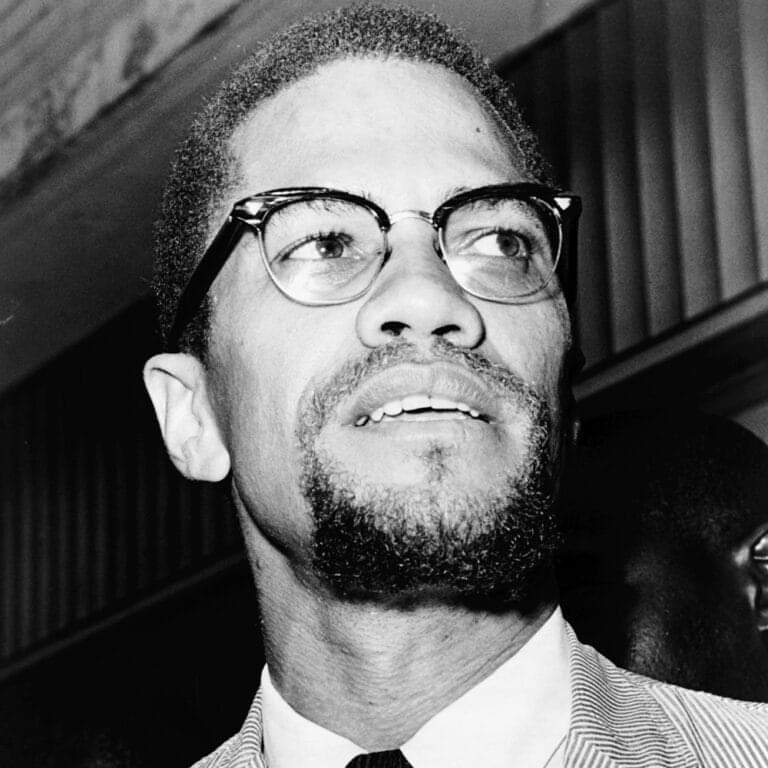
    Introduction: Malcolm X, born Malcolm Little, was a prominent figure in the Civil Rights Movement of the 1960s. He emerged as a powerful advocate for the rights of African Americans, using his fiery rhetoric and charismatic persona to challenge racial inequality and advocate for Black empowerment. Malcolm X’s journey from a troubled youth to a renowned civil rights leader is an inspiring story of personal transformation and unwavering commitment to social justice. In this blog, we will delve into the life, ideologies, and lasting impact of Malcolm X.

    Early Life and Conversion: Malcolm X was born on May 19, 1925, in Omaha, Nebraska. He experienced the harsh realities of racism from an early age, as his family faced threats and violence from white supremacists. The tragic murder of his father and subsequent institutionalization of his mother marked a turning point in his life. Malcolm X, then known as Malcolm Little, was forced into foster care and faced numerous challenges growing up.

    In his early adulthood, Malcolm X was involved in criminal activities and was eventually sentenced to prison. It was during his incarceration that he encountered the teachings of the Nation of Islam (NOI) and its leader, Elijah Muhammad. Inspired by the NOI’s message of Black pride, self-reliance, and resistance against white supremacy, Malcolm X converted to Islam and adopted the surname “X” to symbolize the lost African family name.

    Ideologies and Activism: Upon his release from prison in 1952, Malcolm X dedicated himself to promoting the teachings of the Nation of Islam. He became a charismatic and influential speaker, known for his passionate speeches and uncompromising stance on racial equality. Malcolm X emphasized the need for self-defense, challenging the nonviolent approach of other civil rights leaders like Martin Luther King Jr.

    While Malcolm X’s fiery speeches sometimes attracted controversy, his overarching goal was to awaken African Americans to their inherent dignity and the necessity of asserting their rights by any means necessary. He believed that the struggle for justice required a complete transformation of the social and political system, arguing that racial integration was not a solution in itself if it didn’t dismantle the systemic oppression faced by Black people.

    Pilgrimage and Transformation: In 1964, disillusioned by the corruption within the Nation of Islam and inspired by a transformative trip to Mecca, Malcolm X underwent a profound ideological shift. He abandoned his previous separatist views and adopted a more inclusive and universal approach to the fight for racial justice. He founded the Organization of Afro-American Unity, aiming to foster unity among all oppressed peoples, regardless of their race or religion.

    Assassination and Legacy: Sadly, Malcolm X’s transformative journey was cut short on February 21, 1965, when he was assassinated during a speech in New York City. His assassination left a void in the Civil Rights Movement, but his legacy continued to inspire generations of activists fighting for justice and equality.

    Malcolm X’s ideas and philosophy had a lasting impact on the Black Power movement and the struggle for racial equality. His emphasis on Black self-determination, cultural pride, and resistance against oppression resonated with marginalized communities around the world. Malcolm X’s teachings continue to challenge systemic racism, serving as a reminder of the ongoing struggle for equality.

    Conclusion: Malcolm X’s life and activism were marked by a profound transformation from a troubled youth to a respected leader in the fight for racial justice. His uncompromising stance against racial oppression, combined with his passionate advocacy for Black empowerment, continues to inspire and resonate with people today. By exploring the life and ideologies of Malcolm X, we can gain valuable insights into the ongoing struggle for equality and the power of individual transformation in the face of adversity.