Title: Abraham Lincoln: The Unwavering Leader Who Shaped a Nation
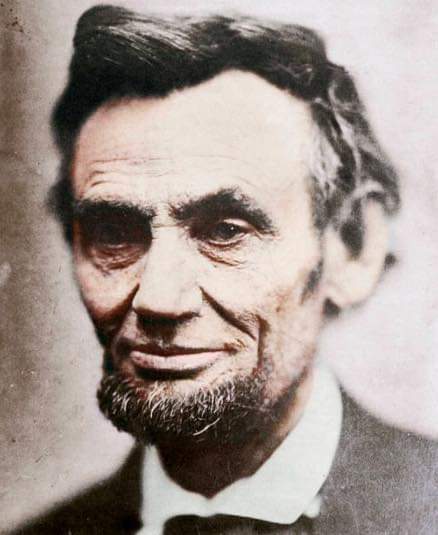
Introduction: Abraham Lincoln, the 16th President of the United States, is widely regarded as one of the greatest leaders in American history. His legacy extends far beyond his presidency, as his leadership during one of the nation’s most turbulent periods, the Civil War, transformed the United States and set a precedent for leadership in times of crisis. In this blog, we will explore the life, accomplishments, and enduring legacy of Abraham Lincoln, highlighting his unwavering dedication to preserving the Union and advancing the cause of freedom.


- Humble Origins and Self-Education: Born on February 12, 1809, in a log cabin in Kentucky, Abraham Lincoln grew up in modest circumstances. Despite limited formal education, he possessed an insatiable curiosity and a thirst for knowledge. Through self-education, Lincoln developed a keen intellect, honed his oratory skills, and shaped his character, laying the foundation for his future leadership.
- Emancipation Proclamation and the Fight for Freedom: One of Abraham Lincoln’s most significant achievements was the issuance of the Emancipation Proclamation in 1862. This historic document declared that all slaves in Confederate territory were to be set free, transforming the Civil War into a struggle for emancipation and ensuring that the Union’s cause became synonymous with the abolition of slavery.
- Gettysburg Address and the Power of Words: On November 19, 1863, in the midst of the Civil War, Lincoln delivered his immortal Gettysburg Address. In just a few concise and powerful paragraphs, he eloquently articulated the principles of liberty, equality, and democracy, reaffirming the purpose for which the Union fought. The Gettysburg Address remains one of the most revered speeches in American history, encapsulating Lincoln’s profound understanding of the nation’s ideals and the sacrifice required to preserve them.
- Preservation of the Union: Abraham Lincoln’s unwavering commitment to preserving the Union was evident throughout his presidency. Despite facing immense challenges and divisions, he navigated the complexities of the Civil War with courage, resolve, and strategic decision-making. His leadership brought unity to a fractured nation and laid the groundwork for a more inclusive and prosperous future.
- Assassination and Legacy: Tragically, Abraham Lincoln’s presidency was cut short when he was assassinated on April 14, 1865. However, his legacy endures. Lincoln’s leadership and unwavering commitment to justice, equality, and the preservation of the Union continue to inspire leaders around the world. His ideals and principles shaped the foundation of a more inclusive United States and set the stage for subsequent civil rights advancements.
- Enduring Relevance: Abraham Lincoln’s leadership provides timeless lessons for leaders of any era. His ability to empathize, inspire, and make difficult decisions in the face of adversity serves as a model for effective leadership. Lincoln’s legacy serves as a reminder that through vision, integrity, and resilience, leaders can guide their nations through the most challenging of times and strive for a more just and united society.
Conclusion: Abraham Lincoln’s remarkable journey from humble beginnings to the presidency and his steadfast leadership during a tumultuous period in American history have cemented his status as an iconic figure. Through his commitment to justice, freedom, and the preservation of the Union, Lincoln left an indelible mark on the United States and the world. His enduring legacy serves as a testament to the power of leadership and the transformative potential of unwavering principles in shaping the course of a nation.